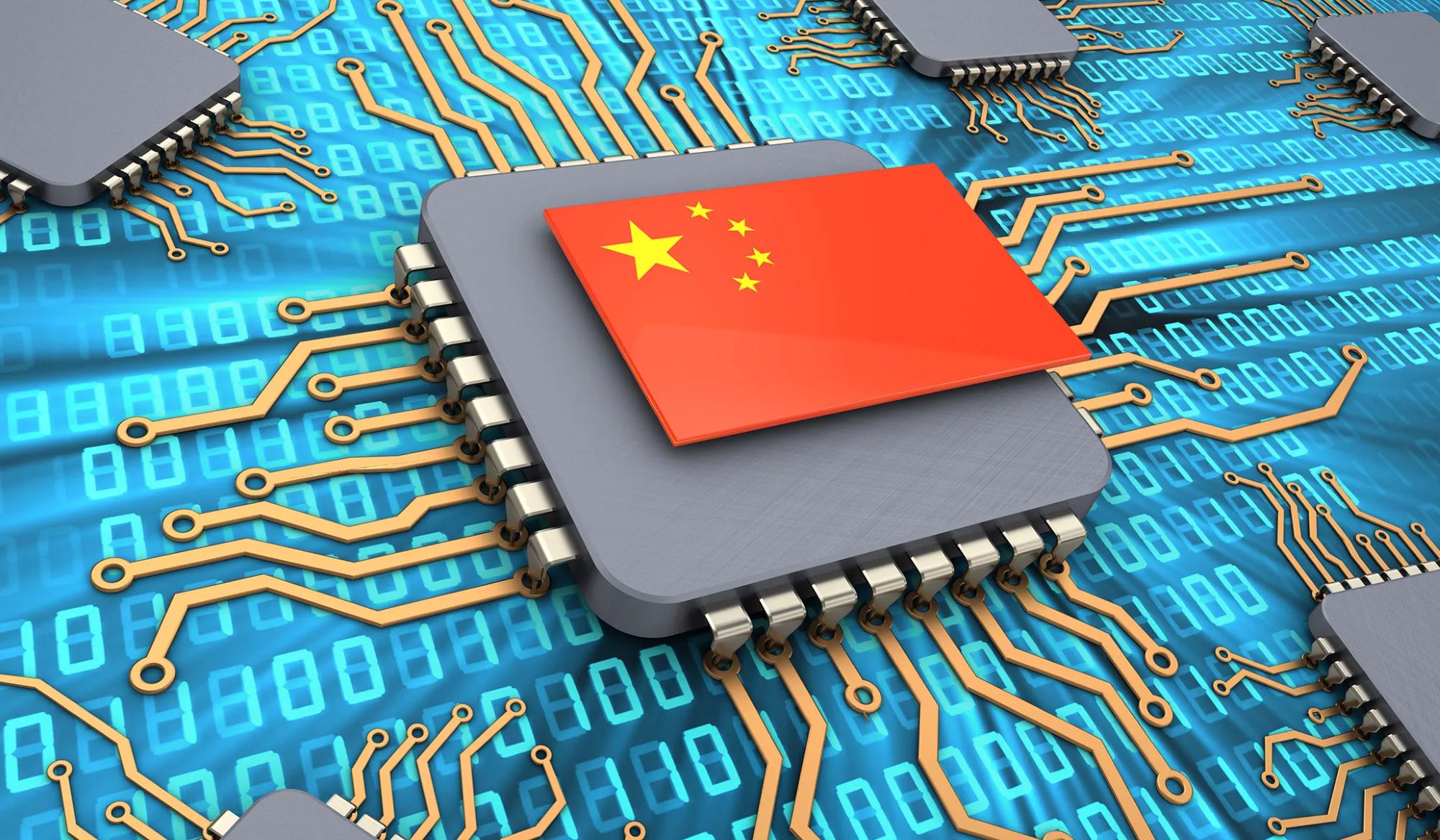
The ongoing global DRAM shortage is creating serious challenges for tech companies, and HP is reportedly considering turning to Chinese memory suppliers to secure a more stable supply. With cloud computing and AI industries gobbling up the majority of DRAM, consumer electronics like laptops, desktops, and printers are facing supply constraints and rising costs.
The issue isn’t limited to memory. Semiconductor shortages are also affecting production across the tech sector, including HP’s printer division, which relies on both memory and chips for its devices. As a result, prices are climbing, and product delays are becoming more common.
Though HP has yet to make any formal decisions, its consideration of Chinese suppliers reflects the growing pressure on tech companies to find new sources in an increasingly tightened supply chain. At the same time, geopolitical factors could complicate such a move, adding uncertainty to an already fragile market.
If HP goes through with this strategy, it could help address some short-term supply issues, but the broader challenge remains: high-margin AI and cloud sectors are dominating the chip market, leaving everyday consumer products at a disadvantage. For consumers, this could mean higher prices and longer wait times for tech products like laptops and printers.