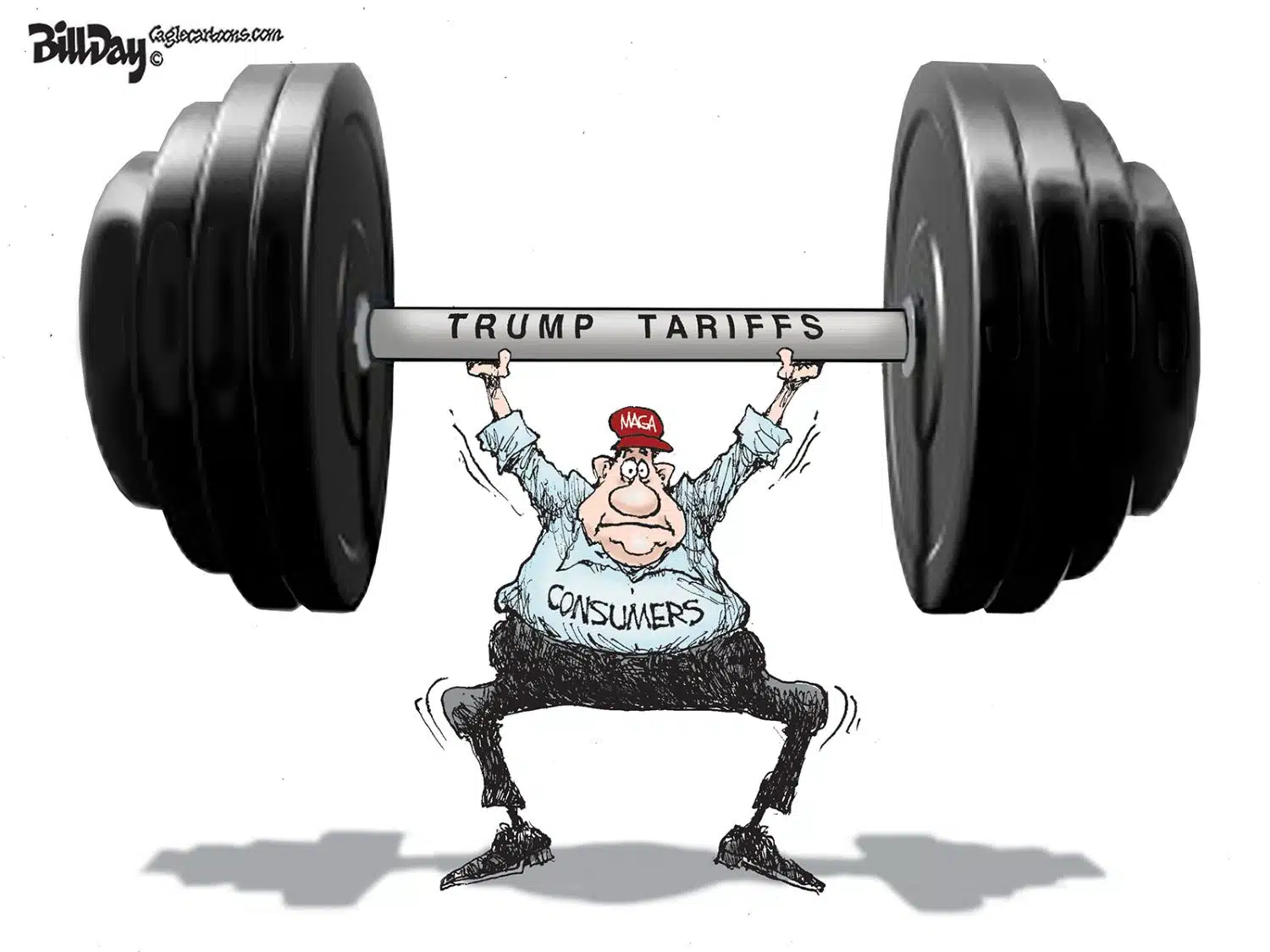
Toshiba America Business Solutions (TABS) has filed a lawsuit challenging the Trump administration’s emergency tariffs on printers and toner, joining a wave of U.S. importers questioning the legality and economic impact of the duties.
Filed on December 31, 2025, in the U.S. Court of International Trade, the case targets the U.S. government and U.S. Customs and Border Protection (CBP). Toshiba argues that the tariffs, imposed under the International Emergency Economic Powers Act (IEEPA), exceed presidential authority, a power reserved for Congress.
The IEEPA was designed for national emergencies—like freezing assets or financial sanctions—not broad trade duties. Past rulings from the International Trade Court and Federal Circuit have supported this limitation, bolstering Toshiba’s legal challenge.
The tariffs, applied in 2025 to imports from China, Mexico, Canada, and others, sometimes exceeded 100% of product value, sharply raising costs. Once customs finalizes duties, companies risk losing the right to refunds, making preventive lawsuits like Toshiba’s critical.
Toshiba’s case is part of a sector-wide push by printing and technology companies, including Katun, Sharp, and Ricoh, highlighting the stakes for international trade in equipment, supplies, and consumables.
The U.S. Supreme Court heard arguments in November 2025, with a ruling expected soon. The decision could define the limits of executive tariff powers and unlock billions in potential refunds for affected importers.
Case Details:
Defendant: U.S. Customs and Border Protection, Rodney S. Scott, and United States
The information on this site has been included in good faith for general informational purposes only. It is not intended to amount to advice on which you should rely, and we give no representation, warranty, or guarantee, whether express or implied as to its accuracy or completeness. You must obtain professional or specialist advice before taking, or refraining from, any action based on the content on our site.