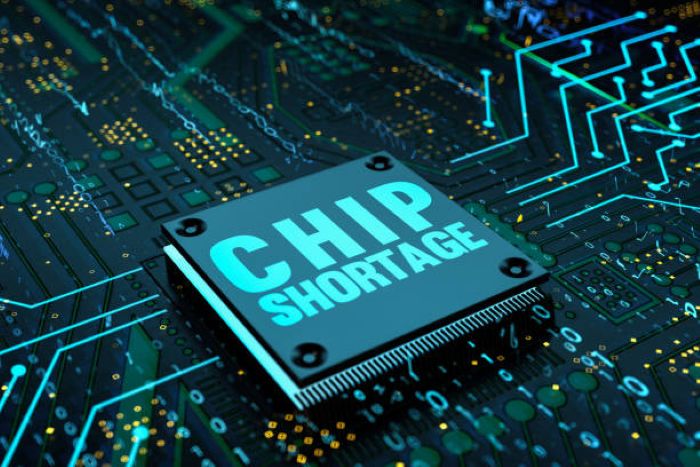
The global semiconductor industry is bracing for another round of disruption, but this time the script is different. While the COVID-19 pandemic triggered widespread outages for basic components, the current crisis is being driven by the insatiable demand for high-end AI processors, creating a bottleneck for everyday consumer electronics. Tech giants HP Inc. and Dell Technologies have issued stark warnings: a looming shortage of memory chips is set to drive up the prices of PCs, laptops, and smartphones through 2026.
The AI Drain on Memory Supply
The surge in AI development requires immense processing power, particularly high-bandwidth memory (HBM) for specialized servers. Manufacturers like SK Hynix and Samsung are rapidly retooling production lines to meet this demand. The consequence? A dwindling supply of standard DRAM and NAND flash memory chips used in conventional computers. Dell’s COO, Jeff Clarke, noted that the rate at which costs are currently moving is unprecedented. HP CEO Enrique Lores confirmed that memory price hikes would necessitate raising the cost of their final products.
Impact Across Industries
The ripple effects extend beyond PCs. The printing industry, which relies heavily on semiconductors for everything from core processing to the small chips embedded in ink cartridges, is expected to face higher hardware prices and potential product delays. While the automotive sector had just recovered from its own supply crunch, this new “AI crunch” exposes lingering vulnerabilities across virtually all tech-dependent supply chains. The current situation is forcing companies to reconsider supply chain resilience. With chip manufacturers already selling out their entire 2025 memory stock, consumers and businesses alike should prepare for higher prices and potential wait times for new electronics in the immediate future.
Author
December 1, 2025 at 11:20 AM
Viewing 1 post (of 1 total)
You must be logged in to reply to this topic.
The information on this site has been included in good faith for general informational purposes only. It is not intended to amount to advice on which you should rely, and we give no representation, warranty, or guarantee, whether express or implied as to its accuracy or completeness. You must obtain professional or specialist advice before taking, or refraining from, any action based on the content on our site.