






















Homepage › Forums › Toner News Main Forums › Will Amazon Force Toner Brands to Slash Prices by 30% and Pay Up to 70% for Exposure on Prime?
- This topic is empty.
-
AuthorPosts
-

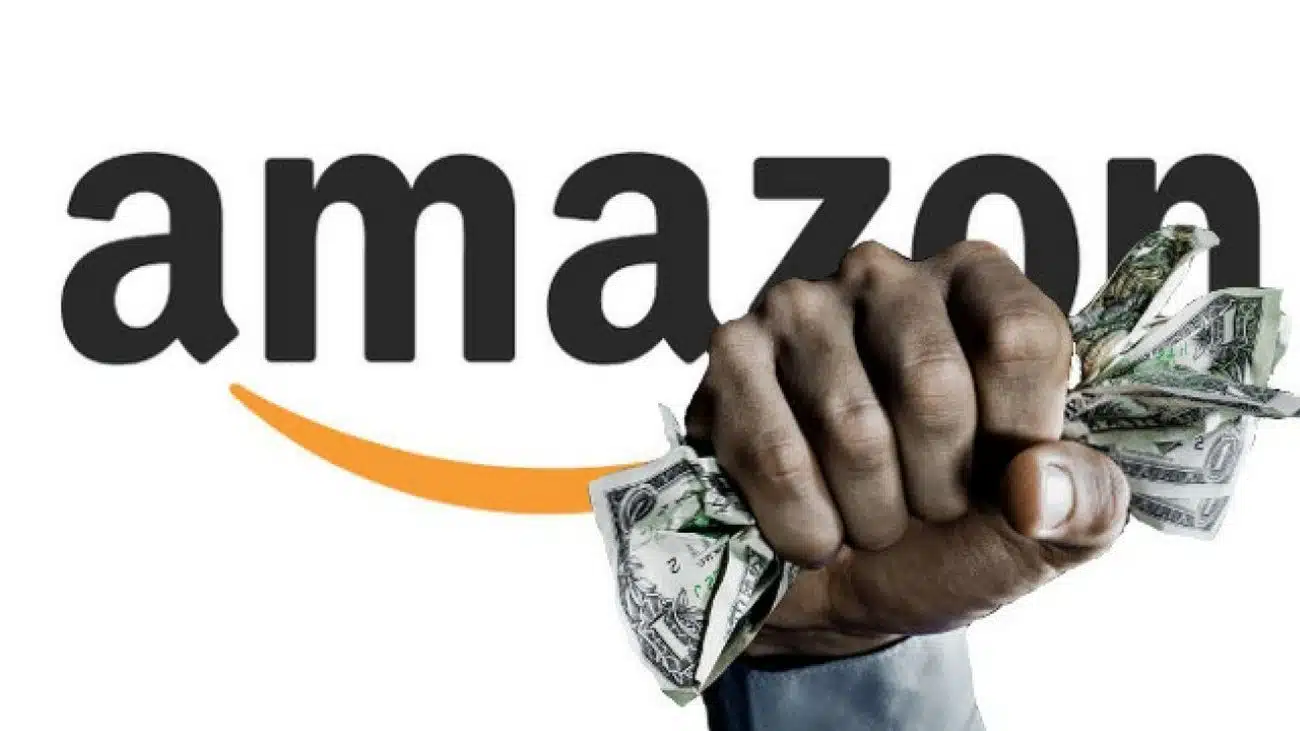
tonerKeymasterAmazon might be demanding toner suppliers and sellers of other kind of good to reduce their prices from 5% to 30%, as part of its strategy to offset rising tariff costs ahead of a Supreme Court ruling on U.S. trade policies. The company is also requiring suppliers to shoulder the responsibility of paying tariffs, while offering smaller discounts in exchange for more promotional opportunities.
But Amazon’s demands don’t stop there. Suppliers are being asked to forfeit as much as 70% of their profit margins if they want their products featured in high-visibility spots like Prime Day or “Best Deals” placements. Critics argue that these tactics are pushing suppliers into an untenable position, where the choice between cutting prices or paying for top promotions could harm their profitability.
With rising production costs, supply chain disruptions, and an uncertain legal landscape regarding tariffs, suppliers are struggling to meet Amazon’s aggressive demands. The outcome of these negotiations could have significant consequences for the toner market, with many vendors questioning whether it’s still worth the cost to sell on Amazon’s platform.

Amazon Pressures Suppliers for Price Cuts Ahead of Supreme Court Tariff Ruling
Amazon is pushing suppliers to lower their prices for goods sold on its platform, as the tech giant looks to reverse some of the concessions made to counter the impact of U.S. President Donald Trump’s tariffs.The $2.6 trillion company, based in Seattle, has reportedly requested discounts from suppliers ranging from low single digits to as high as 30 percent, according to several vendor consultants who represent multiple brands and suppliers.
In an attempt to move quickly ahead of a looming Supreme Court decision on the legality of U.S. tariffs, Amazon has expedited negotiations with some suppliers and, in some cases, set a January 1 deadline for deal closures. These moves come as the company accelerates its efforts to secure better terms before the court ruling, which is expected this week.
While Amazon maintains that its annual vendor negotiation cycles remain unchanged, the company has said that discussions with certain suppliers began following the reduction of tariff rates for Chinese imports at the end of October. The ecommerce giant emphasized that there is no rigid deadline for negotiations.
In 2022, Amazon agreed to raise the prices it paid to some suppliers for tariffed goods in exchange for those suppliers guaranteeing minimum margins. This agreement meant that brands absorbed any losses if the sale price of an item on Amazon’s marketplace dropped. However, Amazon now appears determined to claw back those concessions, arguing that U.S. tariffs have turned out to be less disruptive than initially expected, especially after Trump rolled back some tariffs and struck several trade deals.
Kara Babb, a consultant and former Amazon vendor manager, stated, “Amazon is moving aggressively to recoup any lost profit.”
The company is also trying to shift the risk of further trade disruptions onto its suppliers by asking them to assume responsibility for paying any duties on the goods they sell. In exchange, Amazon has indicated that it might accept smaller discounts from suppliers, provided they agree to cover tariffs and spend more on marketing and promotions.
“The narrative from Amazon to brands is that a lot of their worst fears have not materialized,” said Martin Heubel, a consultant helping suppliers negotiate with Amazon.
Trump’s tariffs, introduced in April of the previous year, disrupted global trade and put immense pressure on the slim margins that Amazon operates on in its vast ecommerce business. Amazon both sells goods directly and hosts third-party retailers, which account for more than 60 percent of sales on its platform.
As the U.S. Supreme Court prepares to rule on whether the White House has the authority to impose tariffs under the International Emergency Economic Powers Act, Amazon’s negotiations with suppliers are taking place amidst significant uncertainty. If the Court rules against Trump’s current tariffs, some experts warn that he could introduce new levies under different legal provisions.
Despite the ongoing legal challenges, Amazon has not joined any of the lawsuits filed by businesses, including a class-action suit by over 1,000 retailers (including Costco) to recover tariffs. Amazon’s vendor managers, who negotiate with brands, have not directly mentioned the case but have pushed forward with negotiations in a bid to stay ahead of potential changes.
Brands and their advisors argue that Amazon’s latest stance is putting product line profitability at risk, as it fails to account for increased costs due to ongoing supply chain disruptions, higher raw material expenses, and rising labor costs.
In response, Amazon reiterated, “We work closely with vendors to understand all the cost pressures they’re facing — tariffs, supply chain, raw materials, labor — and factor those into negotiations.”

-
AuthorJanuary 15, 2026 at 12:01 PM

- You must be logged in to reply to this topic.